What Comes After Varroa? Our Approach in the Hives
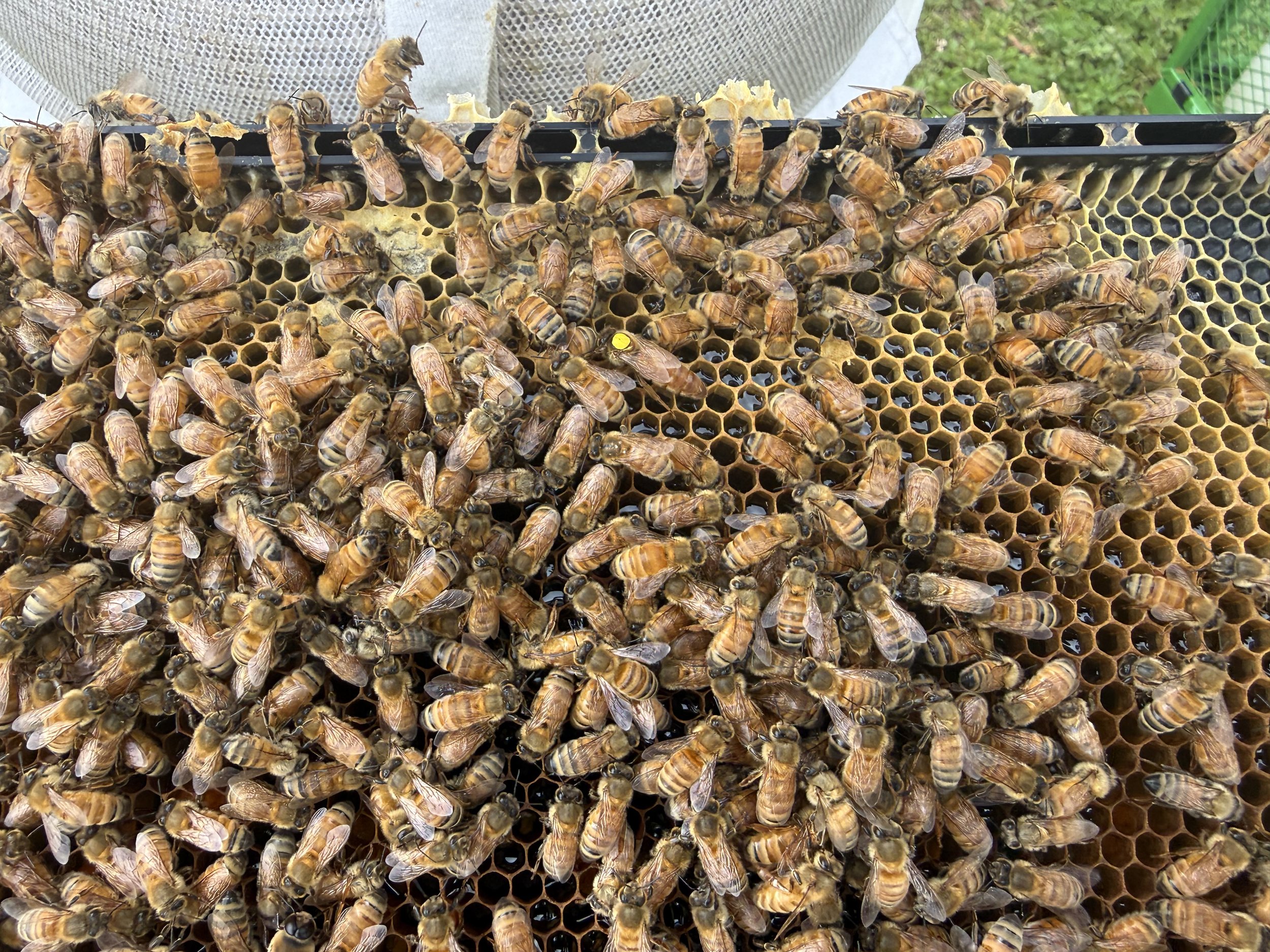
n our last post, we talked about the arrival of varroa and how it’s changed beekeeping across Australia. This post is more practical. It’s about what that looks like on the ground — in our hives — when mite levels reach the point where action is needed.
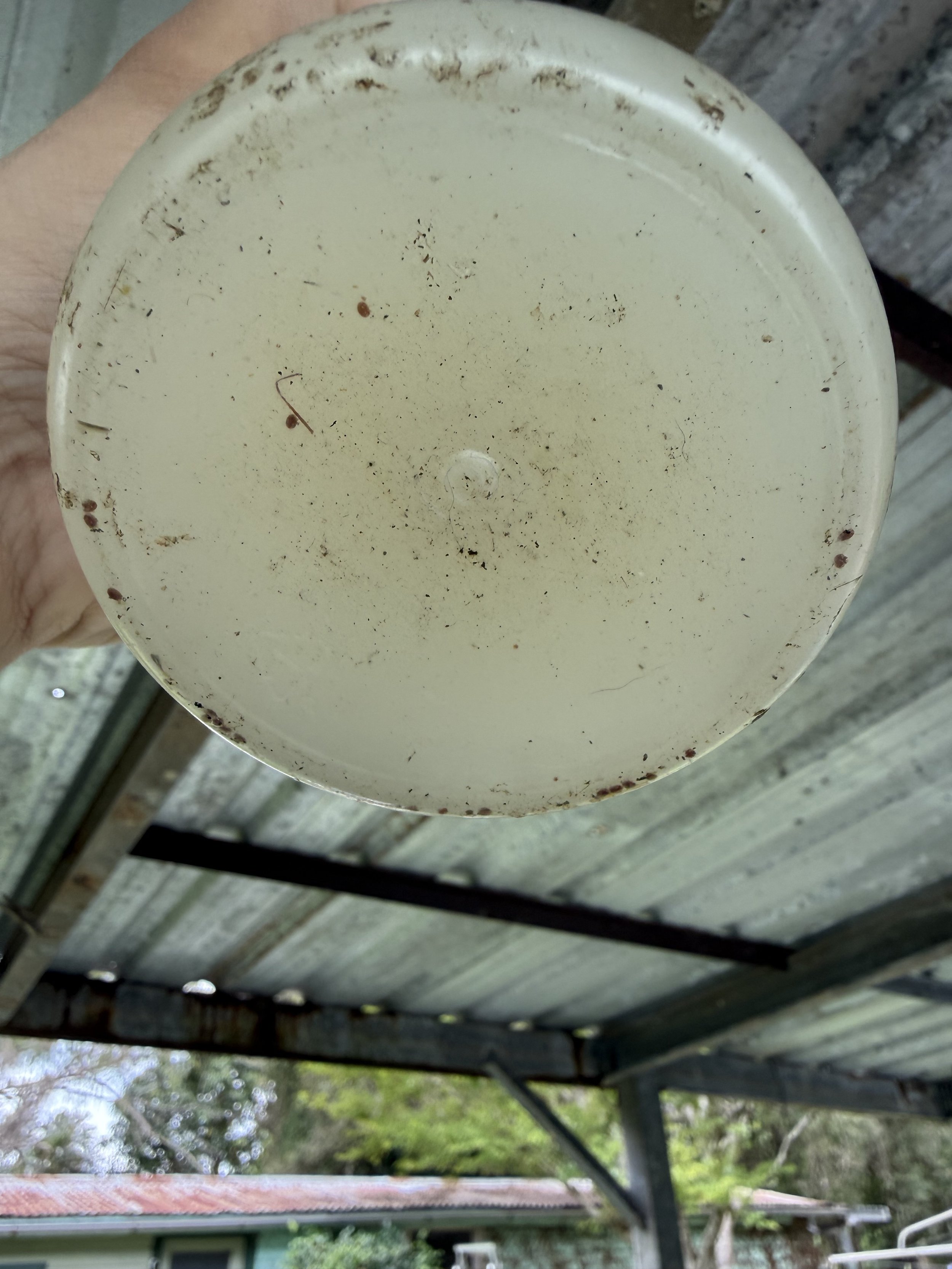
Recently, a few of our hives reached treatment levels. That’s always a moment where decisions matter. The goal is simple: protect the bees. How you do that depends heavily on conditions at the time.
Right now, we’re in the middle of warm coastal weather. Some common organic varroa treatments carry higher risks to bees and queens when temperatures are high, so we needed an approach that would be effective without adding unnecessary stress to the colonies.
This is where a brood break came into play.
A brood break is a short pause in brood production. Varroa mites reproduce inside developing brood cells, so when there is no brood, the mites lose their ability to multiply. This pause isn’t something we’ve invented — it happens naturally in bee colonies during seasonal slowdowns or when a hive replaces its queen.
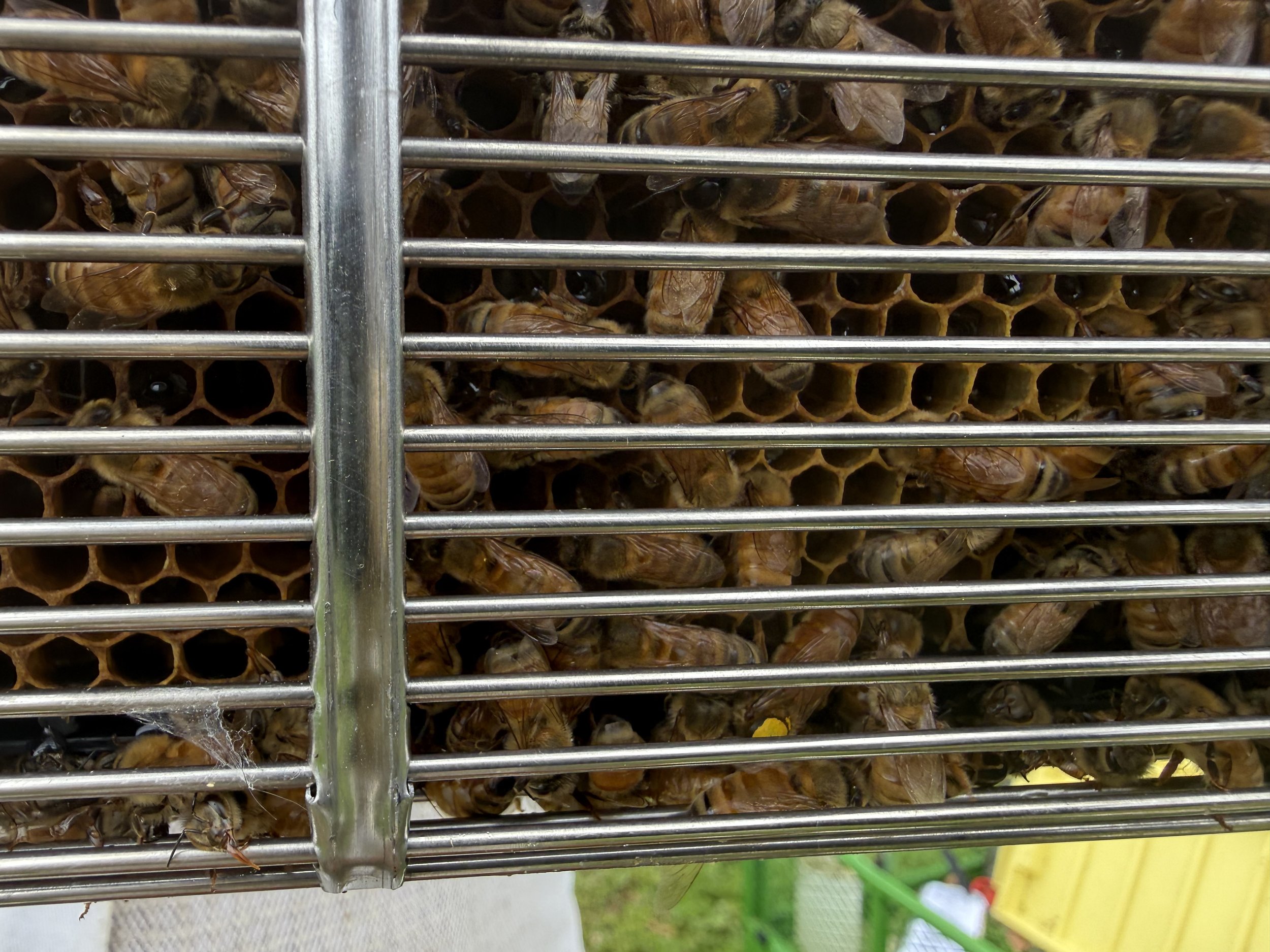
To create this pause, we temporarily prevented the queen from laying eggs using a purpose-built cage inside the hive. She remains part of the colony and is cared for by the worker bees. Over the following weeks, existing brood emerges and no new brood is started. The hive becomes temporarily brood-free.
Once the hive reaches this broodless stage, we can treat with oxalic acid, a naturally occurring substance that’s already present in honey. Treating at this point is important — without brood, almost all mites are exposed on adult bees, meaning a single, light treatment is usually effective. The queen is then released and normal brood production resumes.
At the same time, we also performed a split on one of the stronger hives. Splitting reduces mite pressure by interrupting brood cycles and spreading bees across colonies, while also allowing us to build up new hives from healthy stock. Like brood breaks, splits are a management tool that works with bee biology rather than against it.
During this period, we also reduced excess space in the hives and removed honey supers where needed. With fewer bees emerging during a brood pause, keeping the hive compact helps the bees defend against pests like small hive beetle and maintain control of their space.
None of these decisions are taken lightly, and none are permanent settings. Varroa management isn’t about finding a single perfect treatment — it’s about responding to conditions as they change: weather, colony strength, pest pressure, and season.
This is what “after varroa” looks like for us. Careful monitoring, measured responses, and choosing methods that balance effectiveness with bee welfare. It’s slower than quick chemical fixes, but it keeps the focus where it belongs — on healthy bees and resilient hives.