
ANEL Hive Trial, Mechanical Brood Break and Pollen Collection Trial Commence
ANEL Insulated Hive Trial
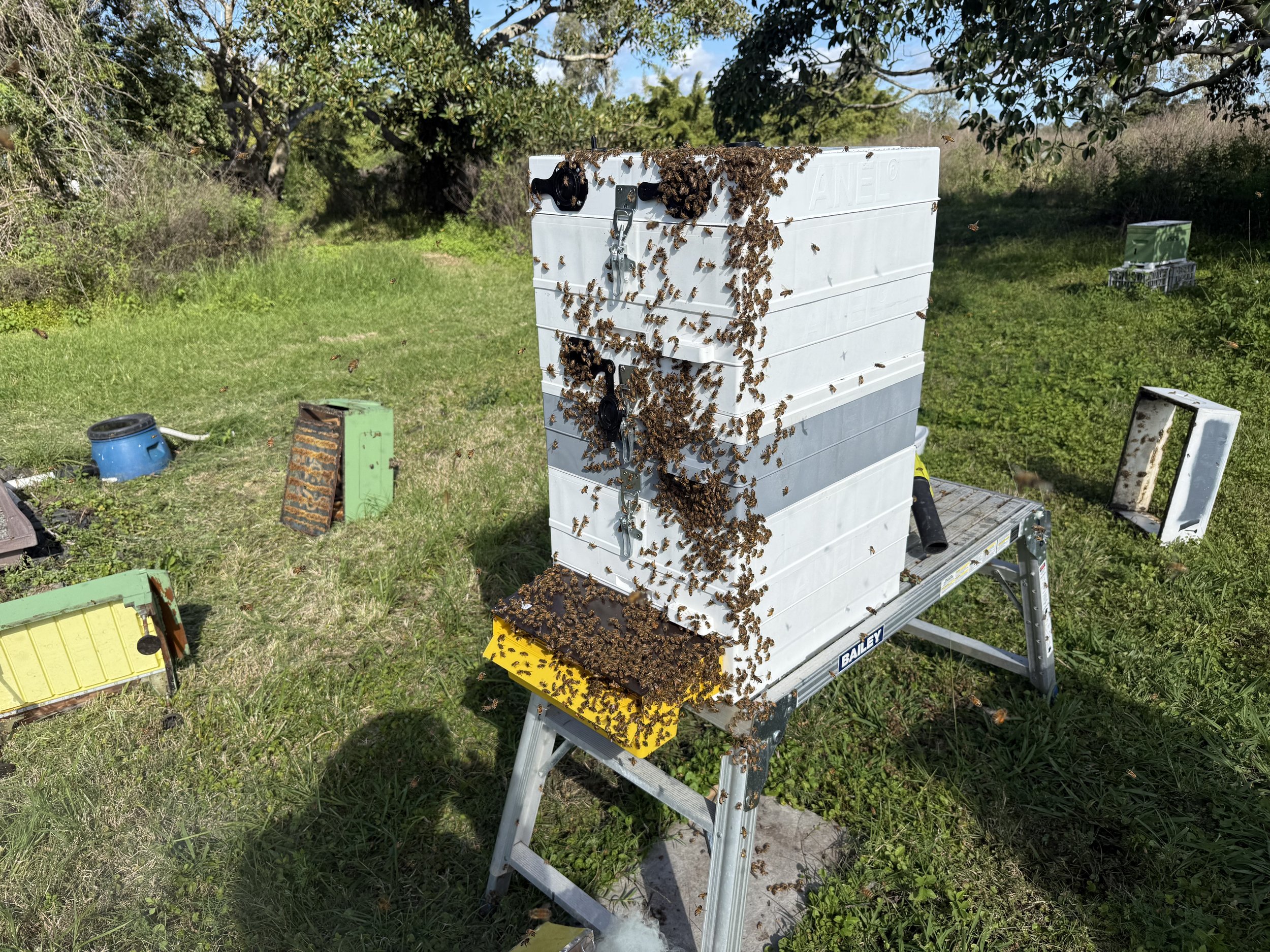
Today marked a significant milestone for both Pure Coastal Honey and HiveCast AI as we launched several new field trials aimed at improving colony management, integrated pest management and data-driven beekeeping. One of our established Flow Hive colonies was transferred into a new ANEL insulated hive purchased from Lyson Australia.
There has been considerable discussion within the beekeeping industry about insulated hives and their potential benefits, including improved brood nest temperature stability, reduced energy expenditure by bees, better colony development and improved seasonal performance. While many claims exist, we believe the best approach is to test equipment under real-world Northern Rivers conditions.
This trial will help us determine whether insulated hives offer measurable advantages compared with our current timber equipment and Hive Doctor base systems.
Over the coming months we will monitor:
Colony strength
Brood development
Honey production
Temperature and moisture management
Pest and disease pressure
Seasonal performance
Bee behaviour
Rather than relying on opinions, we intend to collect real field data and share the results openly.
HiveCast AI Mechanical Brood Break Program
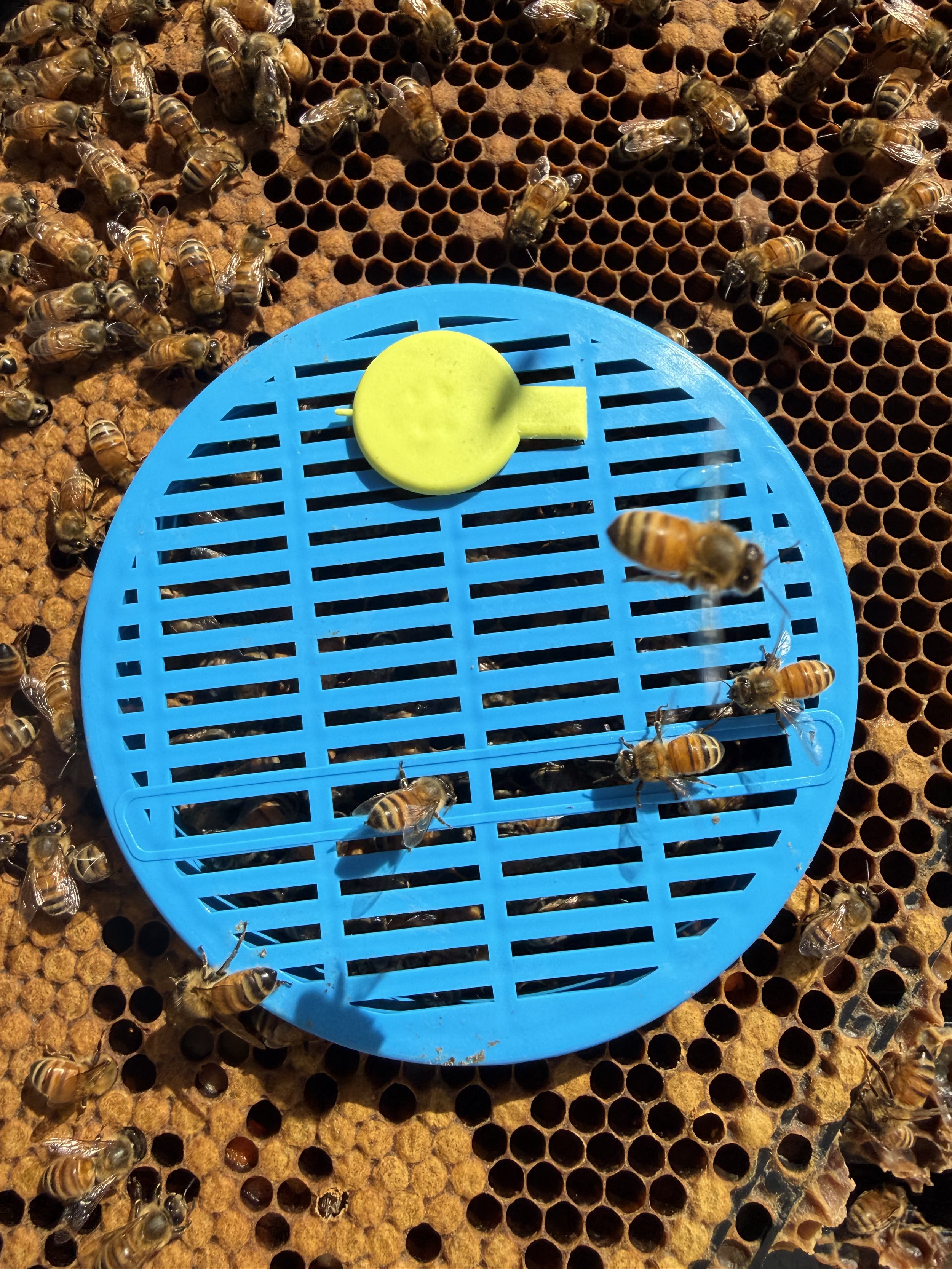
At the same time, the colony entered a 21-day queen confinement program using a queen confinement cage.
This is the first colony to be managed through HiveCast AI's new Mechanical Brood Break workflow, which has been developed to help beekeepers plan, track and evaluate brood break strategies.
The process is simple:
The queen is confined for 21 days.
Existing worker brood emerges.
The colony reaches a broodless state.
A follow-up oxalic acid vapour treatment is applied during the broodless window.
The objective is to expose Varroa mites when they are no longer protected beneath capped brood, improving treatment effectiveness while reducing reliance on synthetic miticides.
Every stage of the process will be recorded through HiveCast AI, allowing future analysis of colony recovery, mite reduction and treatment outcomes.
Pollen Collection Trial
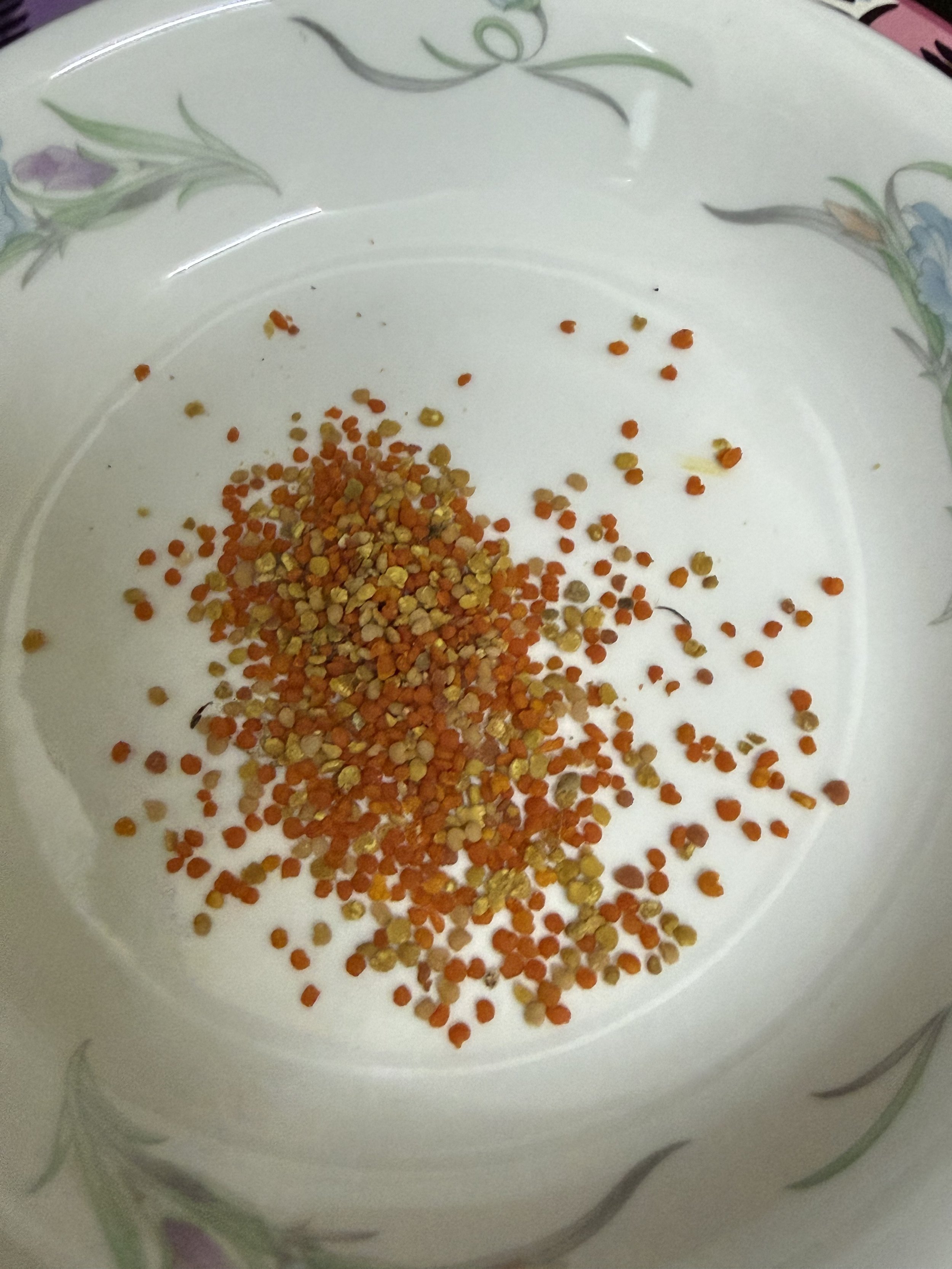
Today also marked the start of our pollen collection trial.
Using a pollen trap fitted to the hive, Cat successfully collected our first batch of pollen.
This trial will help us better understand local forage availability and seasonal pollen flows while evaluating potential impacts on colony performance.
Future observations will include:
Pollen collection volumes
Seasonal variation
Pollen colour diversity
Local forage sources
Colony impact
The first collection showed a healthy range of pollen colours, highlighting the diversity of forage currently available to the colony.
HiveCast AI Colony Snapshot
Before commencing the trial, HiveCast AI generated the following colony assessments:
Hive. RiskStrength. Trend Treatment Status.
Sentinel. Low. StrongStable 94 days post-Apivar
Lindy's Low Strong 92 days post-Bayvarol
Flow (now ANEL). Low Strong 92 days post-Bayvarol
NUC. Low Strong No treatment recorded
At this stage all colonies remain classified as "Assessment Pending" as HiveCast AI continues building long-term resilience profiles for each hive.
The Flow colony selected for transfer into the ANEL hive was considered a strong, low-risk colony and therefore provides an excellent candidate for evaluating hive performance without significant underlying health concerns influencing the results.
The Sentinel hive continues to show stability almost 100 days after completion of its Apivar treatment, while both the Flow and Lindy's colonies are now more than 90 days post-Bayvarol treatment.
Varroa Monitoring Results
Routine mite monitoring was also completed during today's inspection.
Results were:
ANEL Hive – 2 mites
Flow Hive – 0 mites
Sentinel Hive – 0 mites
NUC – 20 mites
The NUC recorded the highest mite load and has since received intervention and will be monitored closely over coming weeks.
These results once again reinforce the importance of regular monitoring. Colonies in the same apiary and under similar management can show very different mite levels, demonstrating why testing remains one of the most important tools available to beekeepers managing Varroa.
Looking Ahead
Today's activities bring together several key areas of interest for both Pure Coastal Honey and HiveCast AI:
Insulated hive performance
Mechanical Varroa management
Brood break workflows
Pollen collection
Colony resilience monitoring
Data-driven beekeeping
As data accumulates, we will continue sharing both successes and challenges. Real-world field trials are essential if we are to improve management practices, better understand our colonies and help Australian beekeepers adapt to the ongoing challenges presented by Varroa.
The ANEL hive trial, HiveCast AI Mechanical Brood Break Program and pollen collection trial are now officially underway, and we're looking forward to sharing the results over the months ahead.